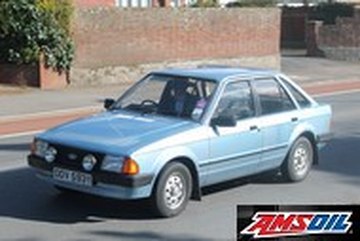
Maintenance Guidance for the 1983 Ford Escort 1.6L
Maintaining an older vehicle requires consistent attention to fluid levels and component health to ensure continued operation. For owners of a 1983 Ford Escort with the 1.6L engine, understanding which fluids are listed for specific systems is the first step in routine upkeep.
What transmission fluid is listed for my 1983 Ford ESCORT 1.6L?
The following products are listed for this vehicle: Super Shift® Racing Transmission Fluid SAE 10W, Signature Series Multi-Vehicle Synthetic Automatic Transmission Fluid, OE Multi-Vehicle Synthetic Automatic Transmission Fluid, and Torque-Drive® Synthetic Automatic Transmission Fluid.
Engine Oil Maintenance Fundamentals
The engine is the heart of the vehicle, and regular oil changes are a primary component of long-term maintenance. Engine oil provides necessary lubrication to moving parts, helps manage internal temperatures, and carries contaminants away from critical engine surfaces. For this 1983 Ford Escort 1.6L, the database allows for the use of 5W-30 engine oil.
When performing an oil change, it is important to inspect the oil filter and the drain plug washer. While the specific service intervals are not provided here, you should follow the manufacturer maintenance schedule or consult your owner's manual to determine when your next oil change is due. Consistent monitoring of the oil level using the dipstick can help identify potential leaks or excessive consumption before they lead to mechanical issues.
Monitoring Fluid Levels and Condition
Beyond engine oil, several other fluids play vital roles in vehicle operation. Regularly checking levels is a proactive way to manage vehicle health. This includes inspecting transmission fluid, brake fluid, coolant, and power steering fluid if applicable to your specific configuration.
When checking fluids, look for changes in color or consistency. For example, engine oil that appears excessively dark or gritty may indicate that the oil is reaching the end of its service life or that there is internal contamination. Similarly, transmission fluid should be checked according to the manufacturer's instructions to ensure it remains within the appropriate operating range.
Understanding Fluid Viscosity and Types
Viscosity refers to a fluid's resistance to flow. In engine oil, viscosity is critical because the oil must be thin enough to circulate quickly during a cold start but thick enough to maintain a protective film when the engine reaches operating temperature. For this specific application, 5W-30 is the allowed viscosity.
Using the correct type of fluid is essential for the intended operation of each system. While some products are listed as "multi-vehicle" or "synthetic," always ensure that the product being used matches the requirements of your specific vehicle components to avoid improper lubrication or pressure issues within the system.
Preventative Inspection Habits
A successful maintenance routine involves more than just changing fluids; it requires visual inspections. Periodically checking under the vehicle can help you spot drips from the oil pan, transmission housing, or brake lines. Checking hoses for cracks, swelling, or softness is also a vital part of preventing sudden fluid loss.
Keeping a record of when fluids were last changed and what products were used can assist in staying on top of the manufacturer's recommended maintenance schedule. This documentation helps ensure that no service interval is overlooked and provides a clear history of the vehicle's upkeep.
Managing Engine Contaminants
Over time, engine oil can become contaminated with combustion byproducts, moisture, and microscopic metal particles. These contaminants can reduce the effectiveness of the oil and potentially cause wear on internal components. Regular oil changes are the most effective way to remove these substances from the engine.
If you notice a significant increase in the frequency of oil consumption or if the oil appears milky, this may indicate that coolant is entering the lubrication system. Such issues should be addressed promptly by a professional to prevent damage to the 1.6L engine components.
What coolant or antifreeze products are listed for my 1983 Ford ESCORT 1.6L?
The following products are listed for this vehicle:
- ANTPC1G-EA — Passenger Car & Light Truck Antifreeze & Coolant
- ANT1G-EA — Low Toxicity Antifreeze and Engine Coolant
BUYING ENGINE OIL
When you are ready to purchase supplies, look for the specific viscosity required for your vehicle. For this 1983 Ford Escort 1.6L, ensure you select a product that meets the 5W-30 specification. Always verify that the container is sealed and that the product matches the requirements listed in your owner's manual or manufacturer documentation to ensure proper lubrication.